
Insulation Before & After in Spring Valley, NV
Pictures of a sagging, settled attic tell you more than any sales pitch we could write. This gallery is where we show what a Spring Valley attic looks like before we start and what it looks like after, job by job, by service. The work below covers attic insulation, blown-in insulation, and insulation removal on real homes around the valley, with the problem, the fix, and the result written out plain so you know what you’re looking at. When photos come in from the field, they drop straight into the frames you see here.
Recent Transformations
Blown-in attic insulation: from settled and patchy to a full, even blanket
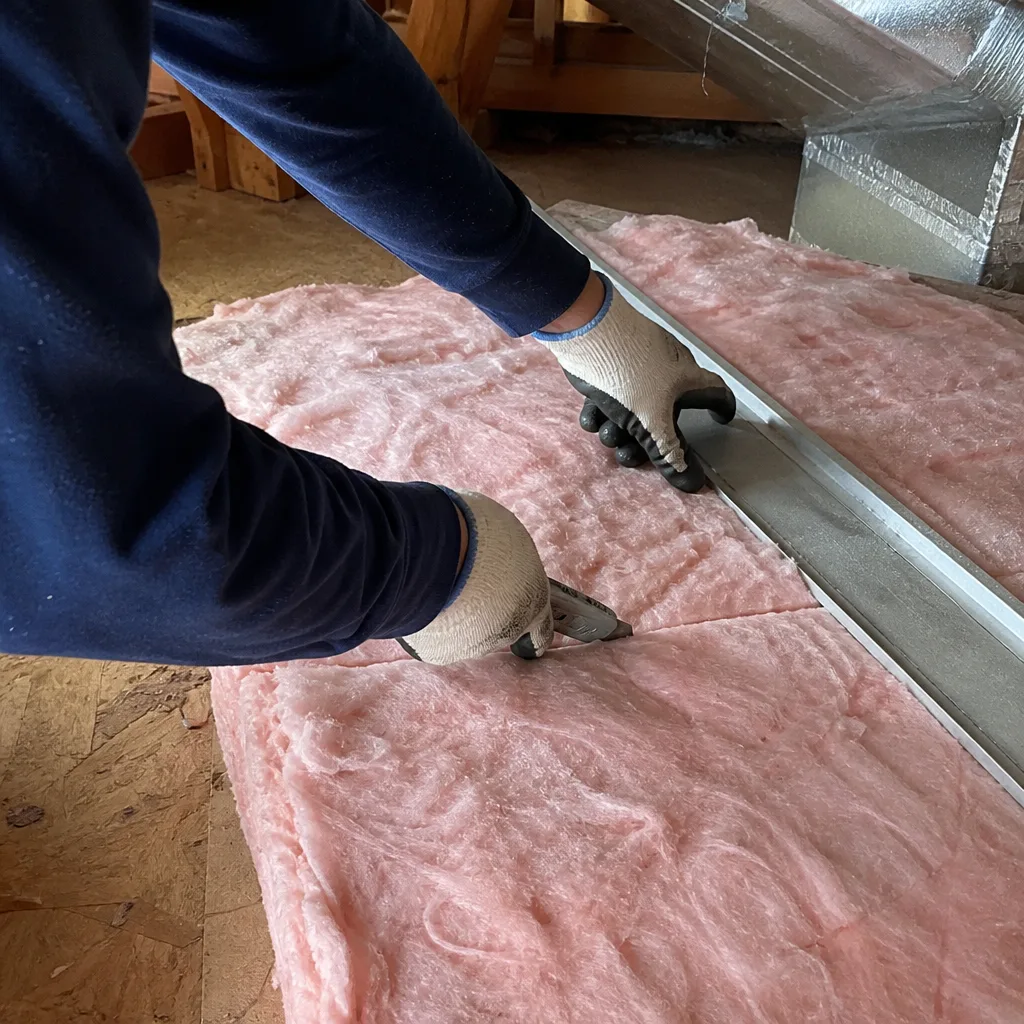
The problem: the original loose-fill had compressed and drifted over time, so the depth varied from a few inches near the access hatch to thin patches along the eaves, and the home felt drafty on cool desert nights. We air-sealed the gaps and penetrations first, then blew in a fresh, even layer to hit the target R-value for our climate zone. The result is a consistent blanket of cover with no cold spots or gaps, and the attic reads clean and even from one end to the other.
Attic insulation upgrade: adding R-value over tired fiberglass batts
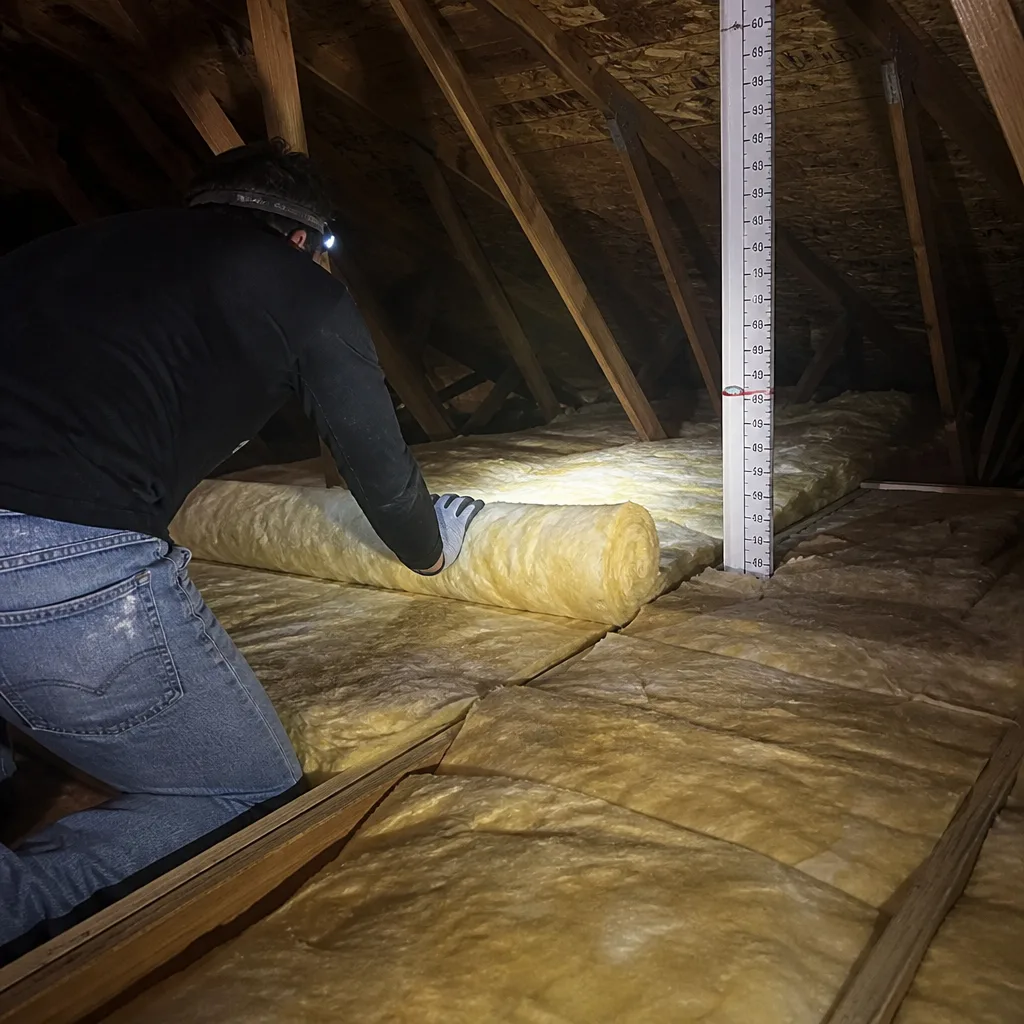
The problem: the batts were in place but undersized for a Spring Valley summer, with visible gaps and compressed sections that left the ceiling hot to the touch. Rather than tear everything out, we corrected the worst gaps, then added depth on top to bring the whole assembly up to a higher R-value. The result is a deeper, more uniform layer that holds up through the valley’s heat swings, without the cost of a full removal.
Insulation removal: clearing contaminated, pest-damaged fill
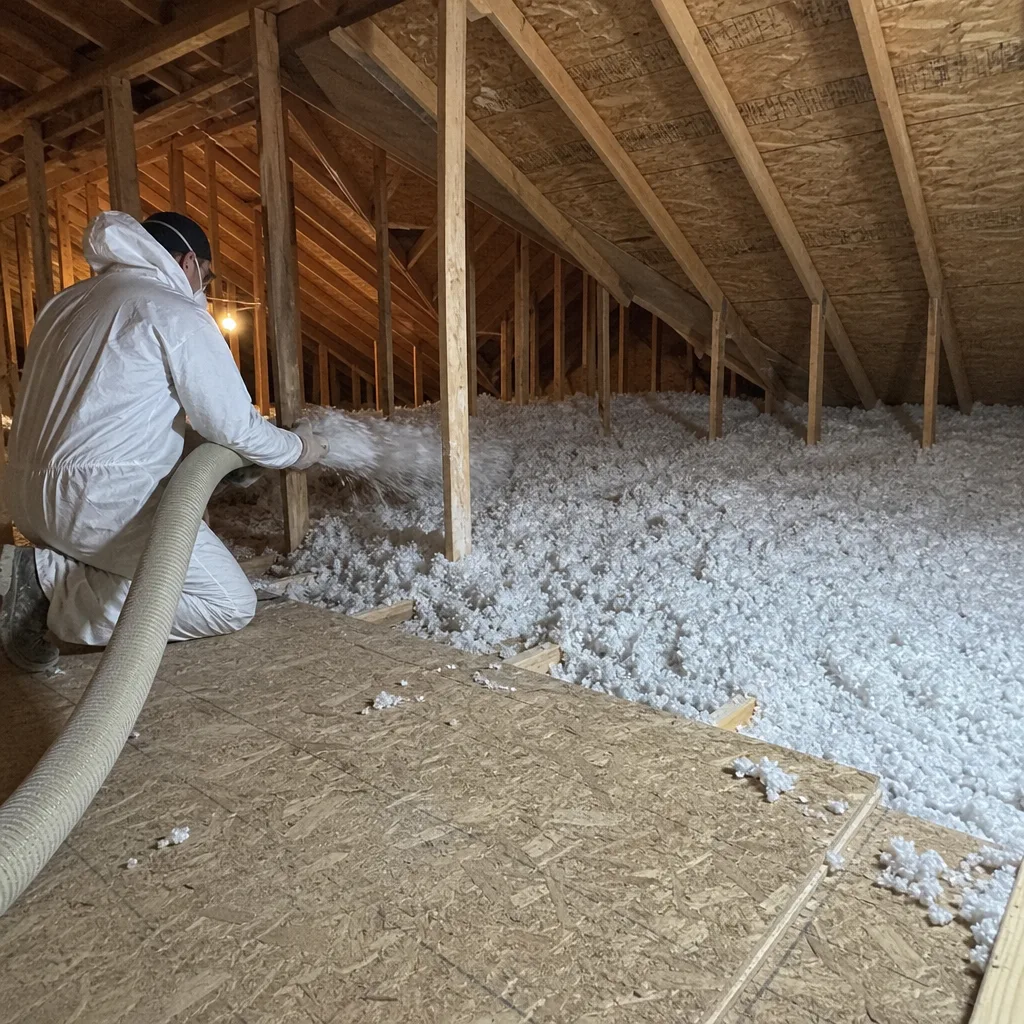
The problem: moisture intrusion and rodent activity had left the old insulation soiled, matted, and unsafe to top off, and no amount of added fill fixes a contaminated base. We ran a contained removal, bagged the material, and vacuumed the deck down to bare surface, checking for air leaks while it was open. The result is a clean, ready-to-reinsulate attic, which is the only honest starting point before any new blown-in goes down.
Blown-in over a hot garage-adjacent attic
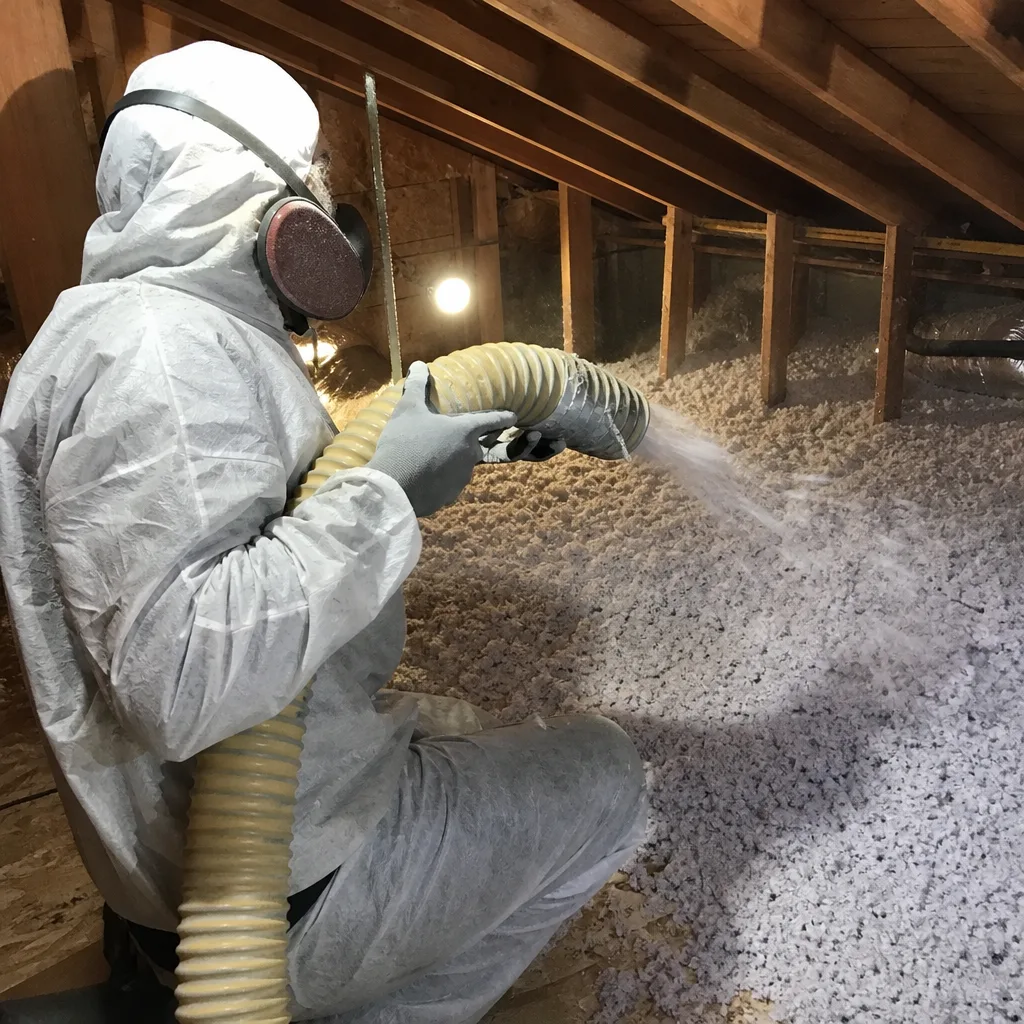
The problem: attics next to an attached garage lose heat fast, and a thin layer of old material left this one running warm through the summer. We air-sealed the connection points and blew in a full, even layer across the entire deck. The result is a sealed, well-covered attic that no longer bleeds conditioned air, which shows up most on the hot-room side of the house.
Attic insulation for a finished-room addition
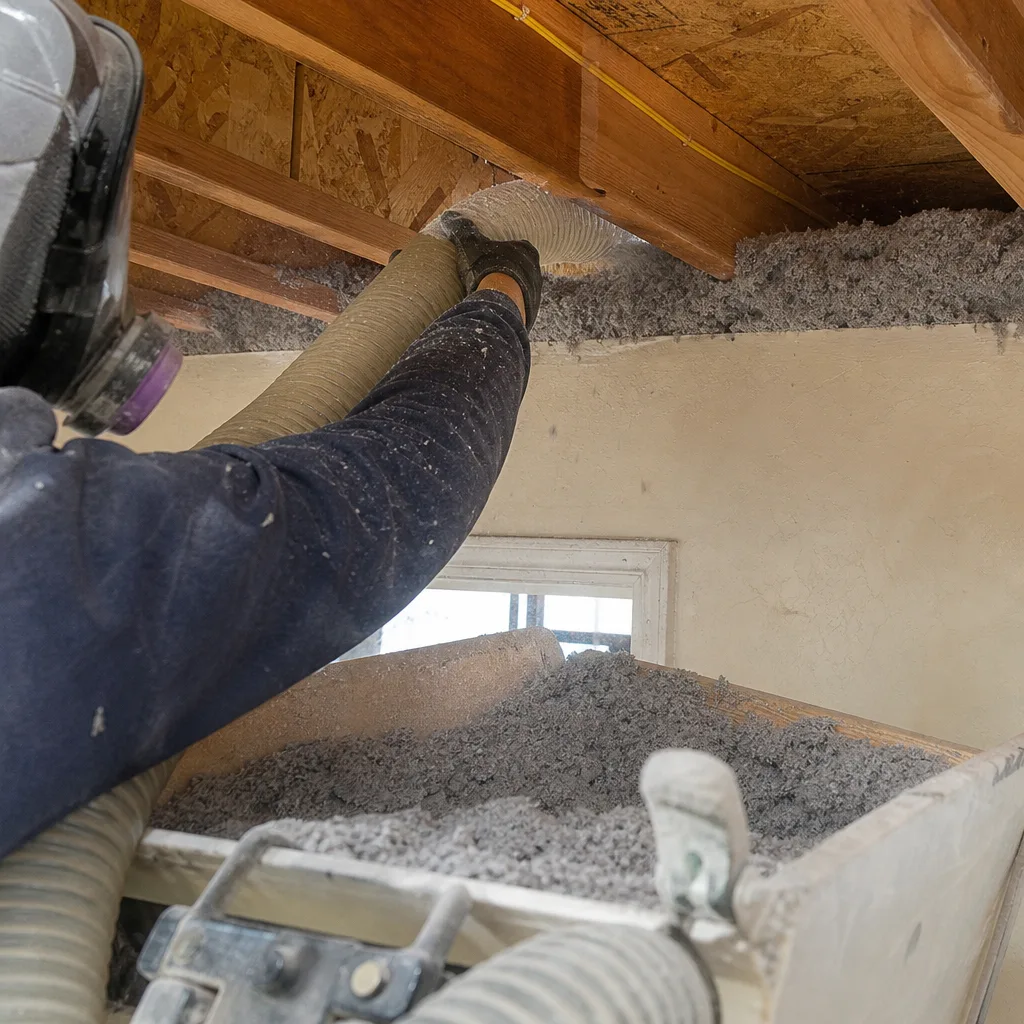
The problem: a room addition had been closed in with uneven, spotty coverage that left one interior wall cold in winter and stuffy in summer. We mapped the coverage, sealed the gaps around the new framing, and brought the whole area up to a consistent depth. The result is even insulation across the addition and the original attic, with no step-down or thin band where the two meet.
Insulation removal and fresh blown-in in the same visit
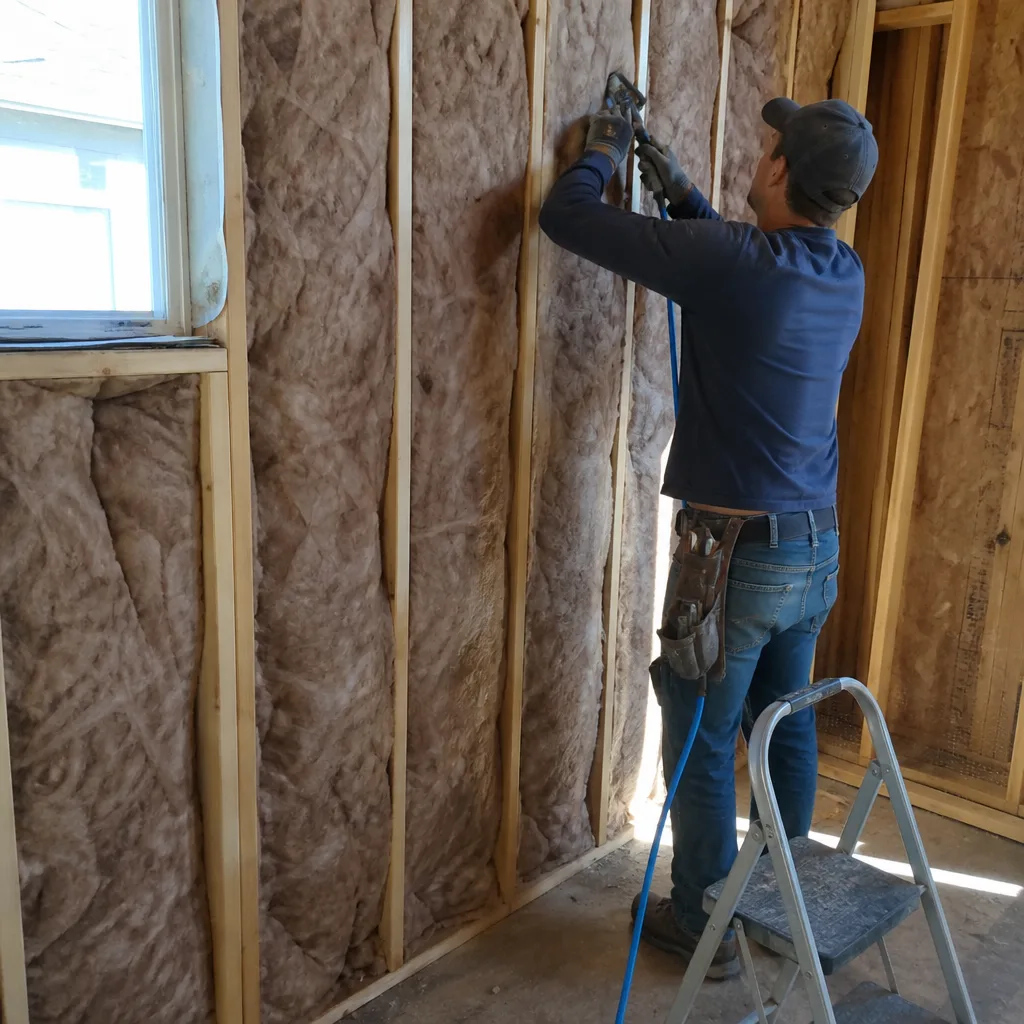
The problem: the old fill was settled, dusty, and well past its useful life, and topping it off would have trapped the mess underneath. We removed the old material, vacuumed the deck, air-sealed the weak spots, and blew in a fresh, even layer to the target R-value in one visit. The result is a fully renewed attic, clean from the deck up, with nothing old left underneath the new work.
Want Results Like These?
Every job on this page comes with a written price before any work starts and a 365-Day Done Right Promise in writing. We install and remove products from eight respected brands, including Owens Corning, Johns Manville, Knauf, Rockwool, CertainTec, Icynene, Demilec, and GreenFiber, so you can research what goes in your attic before you say yes. Call (844) 320-7838 and a live person will pick up, day or night, to talk through your Spring Valley project.
Written by the team at Alden Attic Insulation Spring Valley.